Anticipation for the Knockout Stage
The World Cup 2026 has reached its 74th game, with Brazil set to face Japan in the last 32. This pairing is anticipated to be a compelling match-up as the tournament enters its knockout phase. The match will take place at the NRG Stadium in Houston, a covered NFL facility with air conditioning, ensuring comfortable playing conditions despite external temperatures.
Brazil, under manager Carlo Ancelotti, has maintained a consistent lineup, making no changes from the team that previously defeated Scotland. Ancelotti has been noted for his animated participation during national anthems and his coherent approach to management, as observed by Real Madrid and Brazil player Rodrygo.
Conversely, Japan‘s manager, Hajime Moriyasu, has opted for four changes to his squad following their 1-1 draw against Sweden. These adjustments include two changes in the back three, with Takehiro Tomiyasu and Shogo Toniguchi stepping in for Ayumu Seko and Ko Itakura. Kaishu Sano replaces Ao Tanaka in the pivot, and Junya Ito comes in at inside-right, leading to Ritsu Doan shifting to right wing-back in place of Yukinari Sugawara.
The expected lineups for the match are:
- Brazil (4-3-3): Alisson; Danilo, Marquinhos, Gabriel, Douglas Santos; Guimaraes, Casemiro, Paqueta; Rayan, Cunha, Vinicius Jr.
- Japan (3-4-2-1): Zion Suzuki; Tomiyasu, Toniguchi, Hiroki Ito; Doan, Sano, Kamada, Nakamura; Junya Ito, Maeda; Ueda.
Japan’s Form and Brazil’s Preparations
Japan enters this match in strong form, having lost only two of their last 28 international games. Their recent performance includes a 3-2 friendly victory over Brazil in October 2025 in Tokyo, where they came from behind to win. They also secured a win against England at Wembley. In the group stage of the current tournament, Japan finished second in Group F after a 2-2 draw with the Netherlands, a 4-0 win against Tunisia, and a 1-1 draw with Sweden.
Brazil‘s manager, Carlo Ancelotti, has acknowledged Japan‘s impressive form and their ability to pose a significant challenge. Despite some external comments from Japan striker Kento Shiogai hinting at Brazil being a declining force, Ancelotti has stated that his team is focused on their preparation and the opponent’s qualities, rather than engaging in what he termed ‘mind games’.
One key player for Brazil, Neymar, is in good shape but is expected to continue in a substitute role. After recovering from a serious knee injury in October 2023 and a calf injury that kept him out of earlier group matches, he made his return in Brazil‘s final group stage win over Scotland. Ancelotti has indicated that while Neymar has progressed well and can play more than 15 minutes, his involvement will depend on the game’s context.
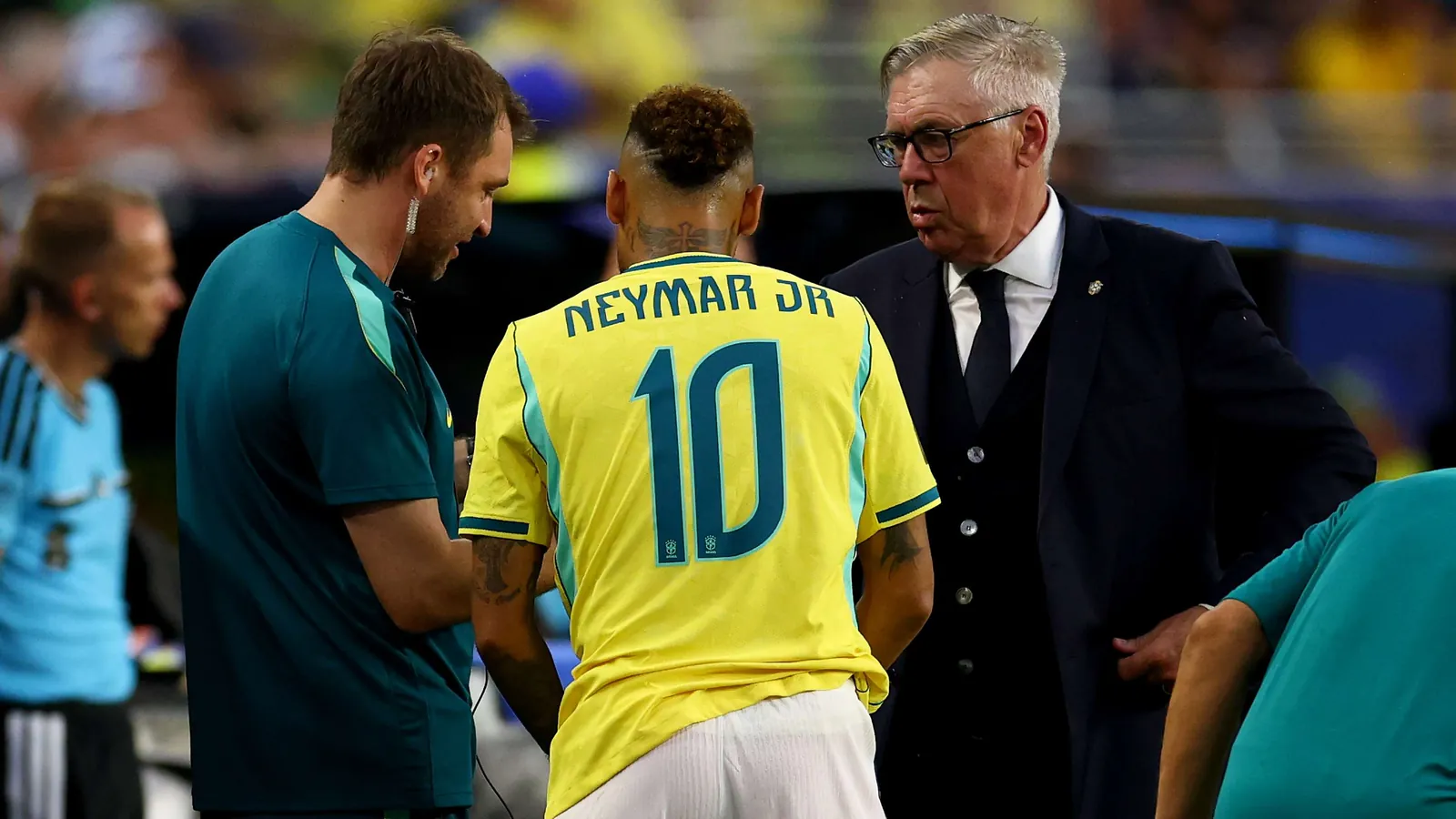
Players to watch include Vinicius Junior for Brazil, who has been outstanding in Group C, scoring four goals from eight shots on target against Morocco, Haiti, and Scotland. He is expected to be a significant threat, with Takehiro Tomiyasu tasked with trying to stop him. For Japan, Ayase Ueda scored the winning goal against Brazil last October and contributed two goals and an assist in their matchday-two win over Tunisia. Keito Nakamura, a wing-back, scored against the Netherlands and has had five shots in three World Cup starts.
Historical Context and Community Engagement
The historical encounters between these two nations have seen Brazil win comfortably in their only previous World Cup meeting, a 4-1 victory in Germany 20 years ago. However, Japan‘s recent form suggests they could provide a sterner test this time. Some fans recall Japan‘s single goal against Brazil in 2006 as a significant moment, being the first goal conceded by Brazil since autumn 2005.
The match has generated considerable excitement among fans, with some expressing hope for a strong performance from Japan and other Asian and African teams. The atmosphere surrounding the game is further enhanced by the community engagement often seen during such major tournaments, with fans sharing their anticipation and experiences from various locations around the world, including Berlin and Chicago.
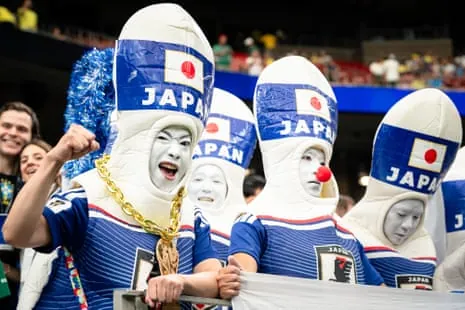
The match is part of the round of 32, a stage of the World Cup that Brazilians refer to as a ‘mata-mata’ stage, translating to ‘kill-kill’, highlighting the high stakes involved in these knockout games.
Read Also
Source: theguardian.com
