Historic World Cup Debut
Cape Verde has achieved a significant milestone by becoming the smallest nation to advance to the knockout stage of the World Cup. The team, representing a group of ten islands in the Atlantic Ocean, secured their spot in the last 32 after finishing as runners-up in Group H. This achievement sets up a match against defending champions Argentina.
The team’s progression was confirmed following a goalless draw with Saudi Arabia in Houston. Players gathered on the pitch to watch the final moments of Spain’s victory over Uruguay, a result that sealed their qualification. Commentator Rob Law described the emotional scene, noting the tears of pride and joy among players and fans when the final whistle confirmed their advancement.
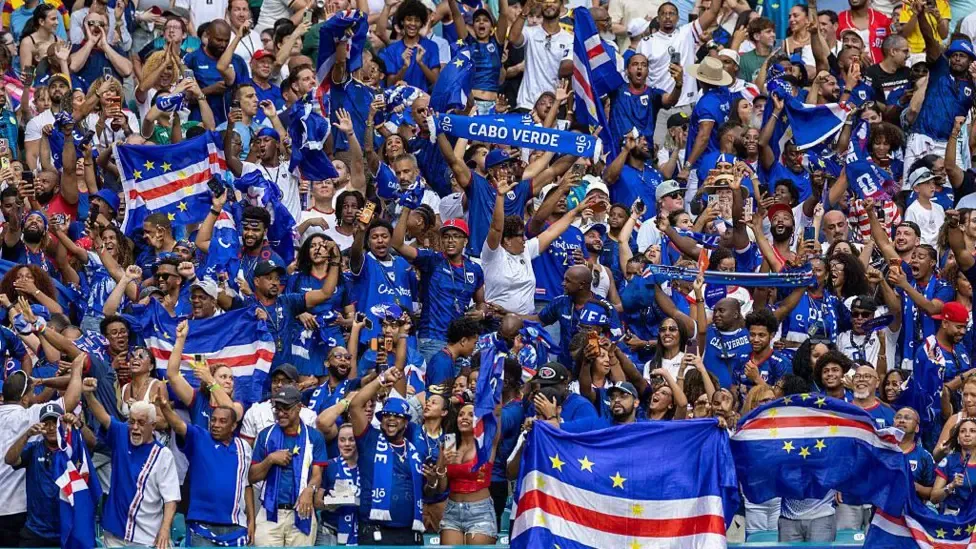
Their journey included an initial goalless draw against Spain, where 40-year-old goalkeeper Vozinha played a crucial role with seven saves. This was followed by a 2-2 draw against two-time World Cup winners Uruguay. Juan Mata, a former World Cup winner for Spain, remarked on the team’s consistent high-level performance across all three group matches.
Factors Behind Success
The success of the Blue Sharks is largely attributed to the Cape Verdean Football Federation’s (FCF) strategy of integrating players from the country’s diaspora. Historical emigration, particularly to Portugal and Rotterdam, has resulted in a significant population of Cape Verdean descent abroad. Fourteen of the 26-man World Cup squad were born outside Cape Verde, with six originating from the Dutch port city.
One such player, forward Dailon Livramento, who played for Casa Pia in Portugal’s Primeira Liga last season, scored the decisive goal in their qualifying win against Cameroon. Josina Freitas Fortes, a member of Cape Verde’s parliament, highlighted the FCF’s dedication and clear technical plan as key to these results. The recruitment of Dublin-born centre-back Roberto Lopes in 2019, reportedly through a business networking website, is also cited as an example of their innovative approach.
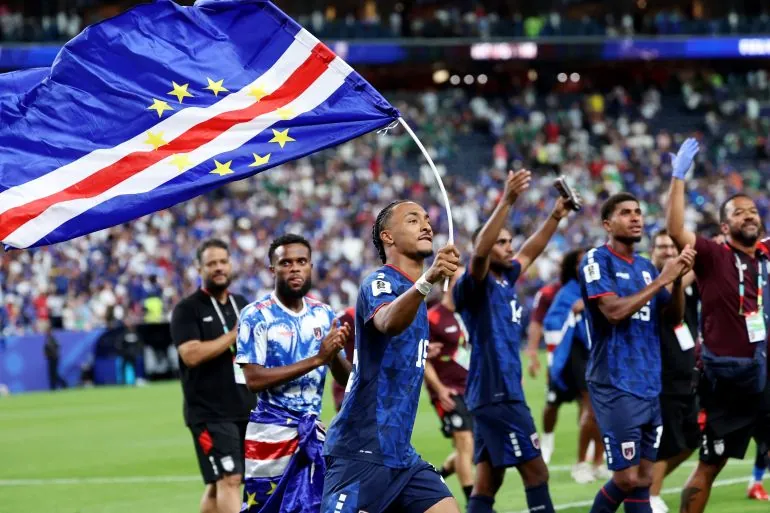
Roberto Lopes expressed the team’s internal confidence, stating that their ability to compete with top teams is a result of a long-term plan to establish Cape Verde among the leading football nations. This strategic recruitment and development have been central to their unexpected run in the tournament.
Coaching and Team Identity
Bubista, a former international player, has been at the helm as coach since January 2020, and much credit for Cape Verde’s performances is given to his stable leadership. The 56-year-old former centre-back has fostered a disciplined team known for its organised defence, skilled midfielders, and talented forwards. Under his guidance, the team reached the quarter-finals of Afcon 2023, drawing with Egypt and upsetting Ghana.
The team’s discipline was evident in their match against Spain, where they conceded only one foul, marking the fewest recorded by a team in a World Cup match since 1966. Defender Sidny Lopes Cabral emphasised the team’s unity and established playing style. Bubista himself noted the importance of showcasing their identity, strength, unity, and resilience.
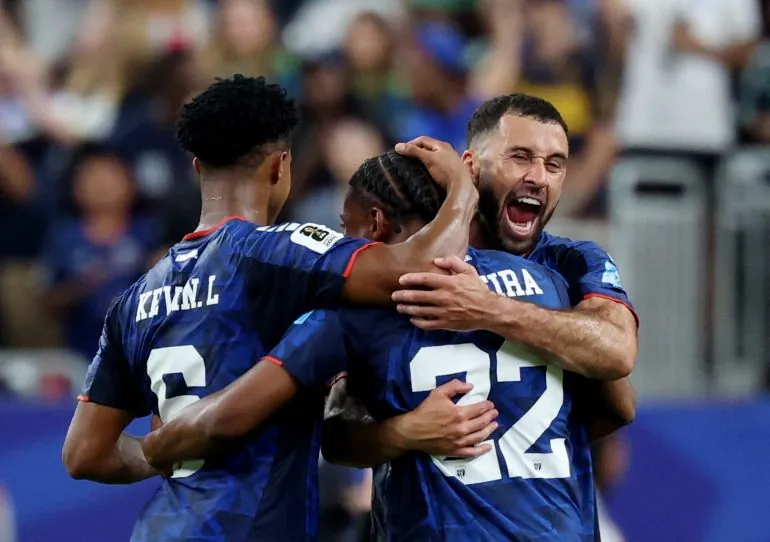
Bubista’s foresight was highlighted by his prediction before the 2021 Afcon that Cape Verde would eventually reach the World Cup. His achievements, including delivering World Cup qualification, earned him the continent’s coach of the year award for 2025 from the Confederation of African Football. He hopes Cape Verde’s success will inspire other smaller nations globally.
The next challenge for Cape Verde is a match against Lionel Messi’s Argentina in Miami on Friday. Midfielder Deroy Duarte, named man of the match against Saudi Arabia, expressed his excitement and belief in the team’s potential, stating that anything is possible.
Read Also
Source: bbc.com
