Egypt has secured its place in the next round of the World Cup, progressing to face Australia. This advancement comes after a dramatic conclusion to their Group G match against Iran, where a late goal by Iran was disallowed following a VAR review.
The match saw significant tension, particularly in stoppage time. Shoja Khalilzadeh, a veteran defender for Iran, appeared to score a crucial goal, which would have seen Iran move forward as runners-up in the group. However, the goal was ultimately ruled offside by VAR, shifting the outcome in favour of Egypt.
Match Outcome and Group Standings
The decision meant that Egypt, also known as the Pharaohs, will now proceed to the last-32 stage of the tournament. Belgium topped Group G after a substantial 5-1 victory over New Zealand, showcasing their potential in the competition.
Iran now faces an anxious wait to determine their fate in the tournament. As it stands, they are set to play against Switzerland in Vancouver, but their progression depends on other results and third-place permutations.
The Pride Match Context
The match between Egypt and Iran was designated a Pride Match by local organisers in Seattle, where the game took place. This designation was made because the match fell on the Friday before Pride Weekend, an event celebrating diversity and the LGBTQ+ community. Despite objections from both Iran and Egypt, where homosexuality is illegal, the event proceeded as planned.
Preparations for the Pride Match included plans for drag performances and watch parties across the city, with rainbow flags displayed inside the stadium. These flags are a symbol of LGBTQ+ pride, diversity, and social inclusion. Officials from Seattle’s World Cup organising committee stated that the timing of the Pride Match was not intended to provoke, as Pride weekend had been scheduled before the teams were drawn to play in the city.
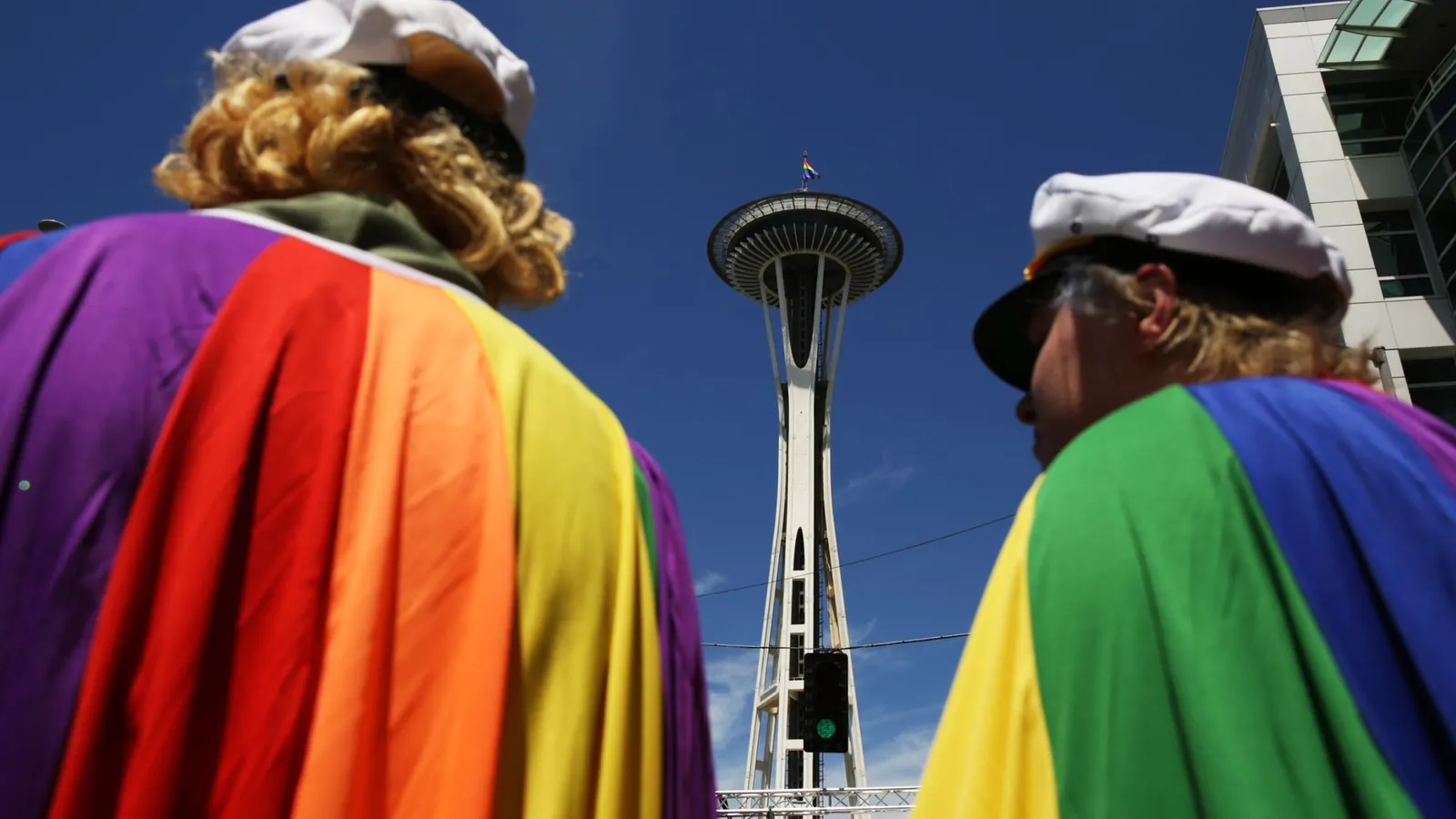
Both national teams focused on the football aspect, with their coaches avoiding questions about gay pride during pre-match news conferences. Iran’s coach, Ghalenoei, stated, “We are here to play football, not for other things.” He added that they would not discuss matters forbidden by their religion, preferring to focus on the game’s beauty.
FIFA, football’s governing body, clarified that while rainbow flags would be permitted inside the stadium, it was not officially a “FIFA Pride Match.” Instead, it was described as a World Cup game occurring in a city celebrating Pride weekend. FIFA affirmed that the World Cup 2026 is an inclusive event welcoming individuals from all backgrounds, and general statements of human rights, including rainbow flags, are allowed under the stadium code of conduct.
Reactions and Cultural Perspectives
The intersection of the football match and the Pride celebrations highlighted differing cultural perspectives. Hedda McLendon from Seattle’s World Cup organising committee expressed enthusiasm, noting that while the local approach might differ from practices in other countries, it represents Seattle’s unique identity.
Jess Fishlock, a Wales football legend and member of the host committee, emphasised that the match’s significance was tied to Seattle’s identity and culture, irrespective of the participating teams. She stated, “The match is about Seattle, not Egypt or Iran.”
Egyptian fans at a fan zone in Seattle expressed that the focus for them was on their team’s progression in the tournament. Makarius Demian, an Egyptian fan, commented that whether it was a Pride Match or not, the priority was the teams advancing to the next round. Owners of an Egyptian restaurant pop-up, Ayman Almasri and Amani Abouammo, described the situation as awkward, stemming from cultural misunderstandings.
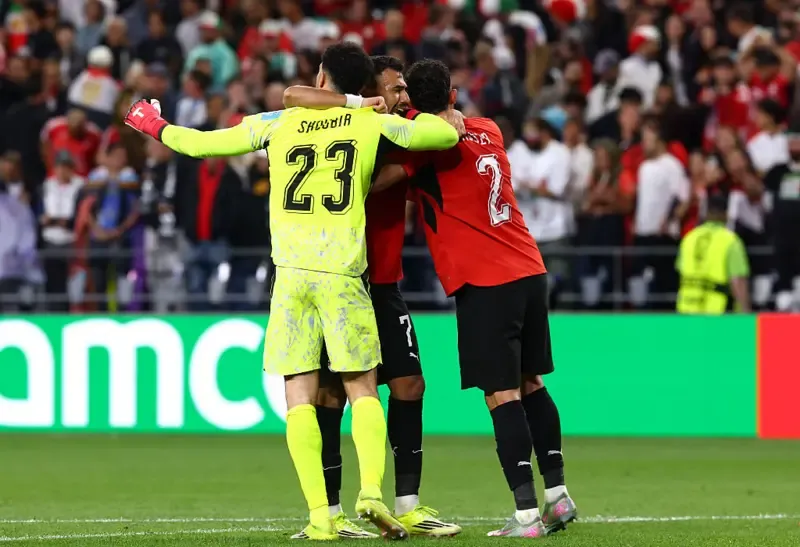
The Iran Football Federation president, Mehdi Taj, reportedly described the Pride branding as “inappropriate” and “an irrational move.” Similarly, the Egyptian Football Association issued a statement rejecting activities related to supporting homosexuality during the match, citing conflicts with cultural, religious, and social values in Arab and Islamic societies.
Despite these concerns, Seattle’s local organising committee maintained that the event would proceed as planned, emphasising football’s power to unite people. Eric Wahl, a member of the Seattle Pride Match Advisory Committee, highlighted the committee’s mission to showcase LGBTQ organisations and businesses in Seattle, uniting them with a shared love for football. He expressed hope that fans from Egypt and Iran would feel welcome in Seattle, regardless of their personal identities.
The match was a critical fixture for both teams, with Egypt entering with momentum after a victory against New Zealand, aiming to win Group G. Iran, on the other hand, faced the match amidst political and travel restrictions, even having to travel from their base in Mexico on the day of the match due to restrictions preventing an overnight stay in the United States. The disallowed goal in stoppage time ultimately determined Egypt’s direct path to the next round.
Read Also
Source: bbc.com
