The Egyptian national team was eliminated from the 2026 World Cup after a 3-2 loss to Argentina in the Round of 16. The match, which saw Egypt hold a two-goal lead before Argentina‘s comeback, has sparked significant debate regarding the application of the Video Assistant Referee (VAR) system.
The Egyptian Football Association has filed a formal protest with FIFA, calling for an investigation into what it describes as inconsistencies in refereeing decisions influenced by VAR. The association stated that it could not remain silent concerning the decisions observed during the match. Critics, both local and international, have highlighted controversial refereeing incidents that they believe impacted the game’s outcome.
VAR decisions under scrutiny
During the match, Egypt saw a goal disallowed after a VAR check for a foul in the build-up, which would have extended their lead. Later, Egypt‘s manager, Hossam Hassan, expressed frustration over what he perceived as a similar foul not being called in the build-up to Argentina‘s winning goal. Hassan questioned the fairness in sport, suggesting that the outcome might have been influenced by a desire for the previous World Cup champions, Argentina, and player Lionel Messi, to remain in the tournament.
Mohamed Salah, Egypt‘s prominent player, also shared his disappointment, acknowledging the team’s exit. He conveyed an emotional message to supporters, promising to dedicate his efforts to ensuring a new beginning for Egyptian football on the international stage. Salah emphasised that merely qualifying or participating in the World Cup would not be sufficient for the team’s aspirations.
The Egyptian Football Association‘s protest underscores a broader discussion surrounding VAR at the 2026 World Cup. Throughout the tournament, similar complaints have arisen, including goals disallowed for offside calls not initially flagged on the field. Some critics argue that despite the advanced technology, decisions appear to be influenced to favour certain national teams, while others suggest VAR disrupts game flow and could be used to manipulate outcomes.
The role of VAR technology and human interpretation
VAR was first introduced in the World Cup during the 2018 tournament in Russia, designed as a support tool for on-field officials. Since then, it has been implemented in numerous competitions globally, including the 2022 World Cup in Qatar. The system utilises an extensive technological infrastructure, including 42 broadcast cameras, with some offering super-slow-motion and ultra-slow-motion footage, alongside semi-automated offside detection technology.
A team of officials, including a video assistant referee and three assistants, reviews this information to make decisions on specific incidents. Potential anomalies are reported to the head referee, who can then review footage on the field. For this World Cup, FIFA expanded the situations eligible for VAR review to include correcting erroneous second yellow cards, preventing unjust send-offs, and detecting fouls before free kicks or corner kicks.
Former Mexican World Cup referee Armando Archundia noted that features were also added to detect infractions related to the Prestianni-Vinícius Rule, which penalises players for covering their mouths during confrontations, and to clarify corner kick versus goal kick decisions. Archundia explained that FIFA aims to prevent goals scored under incorrectly assessed circumstances.
Fernando Galván, a sports analyst, highlighted that while VAR was introduced to address historical shortcomings in refereeing, its early implementation sometimes led to over-reliance, with referees delegating decisions entirely to the system. Galván believes FIFA‘s current guidelines aim to balance technology with referee autonomy, allowing officials to use the dozens of cameras to confirm or correct their decisions.
Both Archundia and Galván agree that football remains a subjective sport, and refereeing decisions involve human interpretation, not solely technological data. Archundia emphasised that the individual judgment of each referee is crucial, as VAR alone cannot fully support every decision. This raises questions about the training and familiarity of referees with VAR capabilities.
FIFA convenes approximately 100 potential referees for each World Cup, providing training over four years to standardise criteria and procedures, including VAR usage. However, Archundia pointed out that only a small percentage of countries participating in this World Cup have VAR in their domestic leagues, suggesting that FIFA‘s training efforts might not be sufficient to bridge the technological gap among all officials.
Hossam Hassan, the Egyptian national team coach, confirmed that his team was close to a historic achievement against Argentina, but circumstances, including successive injuries and refereeing decisions, altered the match’s trajectory. Hassan mentioned that Emam Ashour suffered a tear and Haitham Hassan continued playing despite an injury, necessitating all five substitutions.
The coach reflected on the locker room atmosphere, expressing deep sadness but also boosting player morale and praising their efforts throughout the tournament. Hassan concluded that Egypt‘s participation in the World Cup provided invaluable experience for the players, enabling them to compete against top international teams under immense pressure.
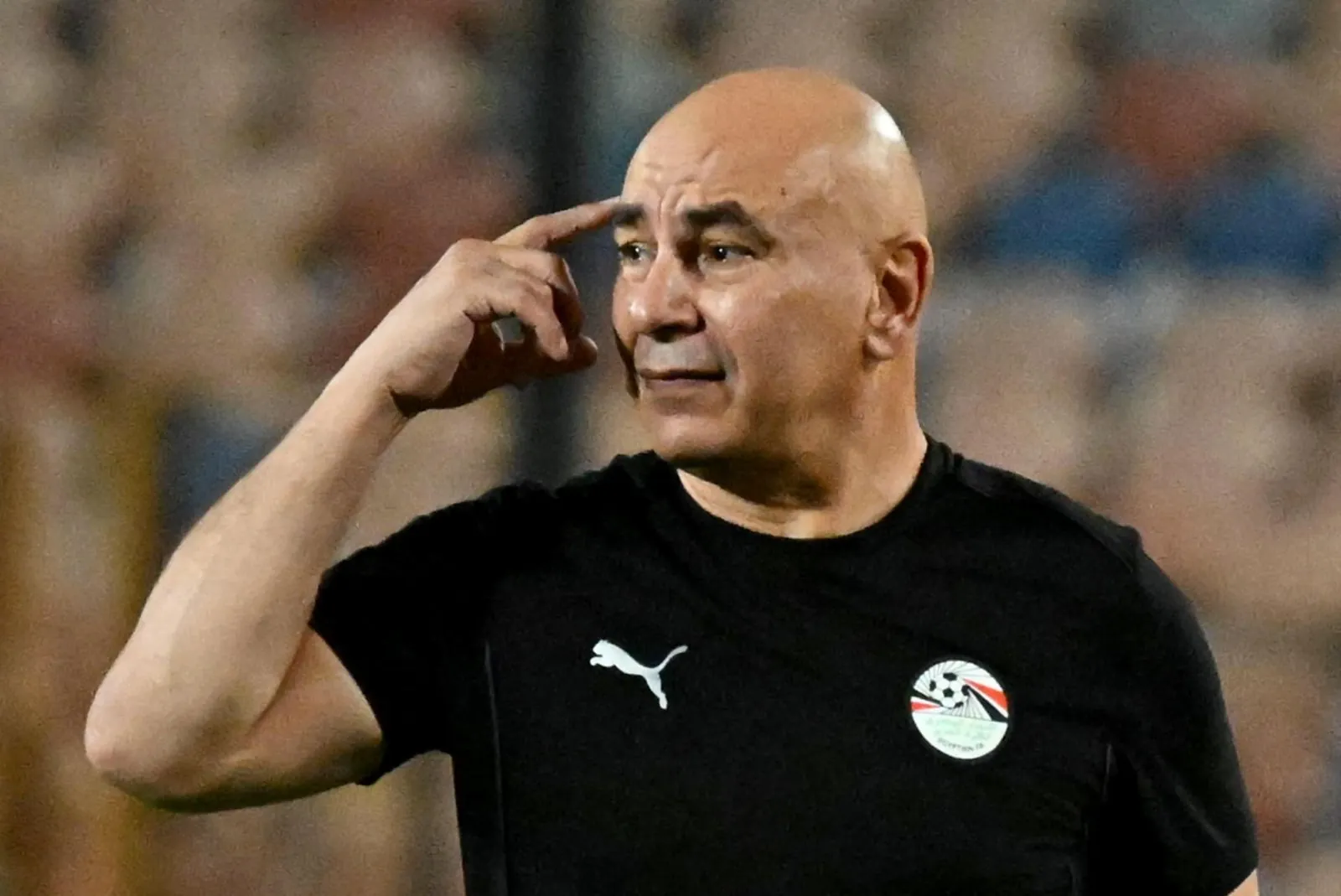
The Egyptian Football Association‘s formal protest to FIFA highlights ongoing concerns about VAR’s application and its impact on match outcomes in the 2026 World Cup.
Read Also
Source: wired.com
