African teams exit World Cup
Several African national teams have been eliminated from the World Cup after conceding late goals in their knockout stage matches. Despite strong performances and often dominating play, teams like South Africa, Ivory Coast, the Democratic Republic of Congo (DRC), and Senegal were unable to secure their advancement to the next round.
South Africa’s Bafana Bafana exited the tournament on June 28. They held co-hosts Canada until stoppage time, but a goal from Stephen Eustáquio in the 92nd minute decided the match. South Africa reportedly had better ball possession, completed more passes, and recorded superior pass accuracy.
On June 30, Ivory Coast was eliminated after a narrow loss to Norway. Antonio Nusa scored for Norway in the 39th minute, with Amad Diallo equalising for the Elephants in the 74th minute. However, Erling Haaland scored a late winner in the 86th minute, leading to Ivory Coast’s exit. The Ivorians created more goal-scoring opportunities and had more shots on target than their opponents.
The DRC also faced elimination on Wednesday after a 2-1 defeat to England in the Round of 32. Brian Cipenga gave the Leopards an early lead in the seventh minute. However, Harry Kane scored two late goals for England in the 75th and 86th minutes. DRC coach Sébastien Desabre expressed disappointment, noting that his team played well but conceded two chances to one of the world’s best players.
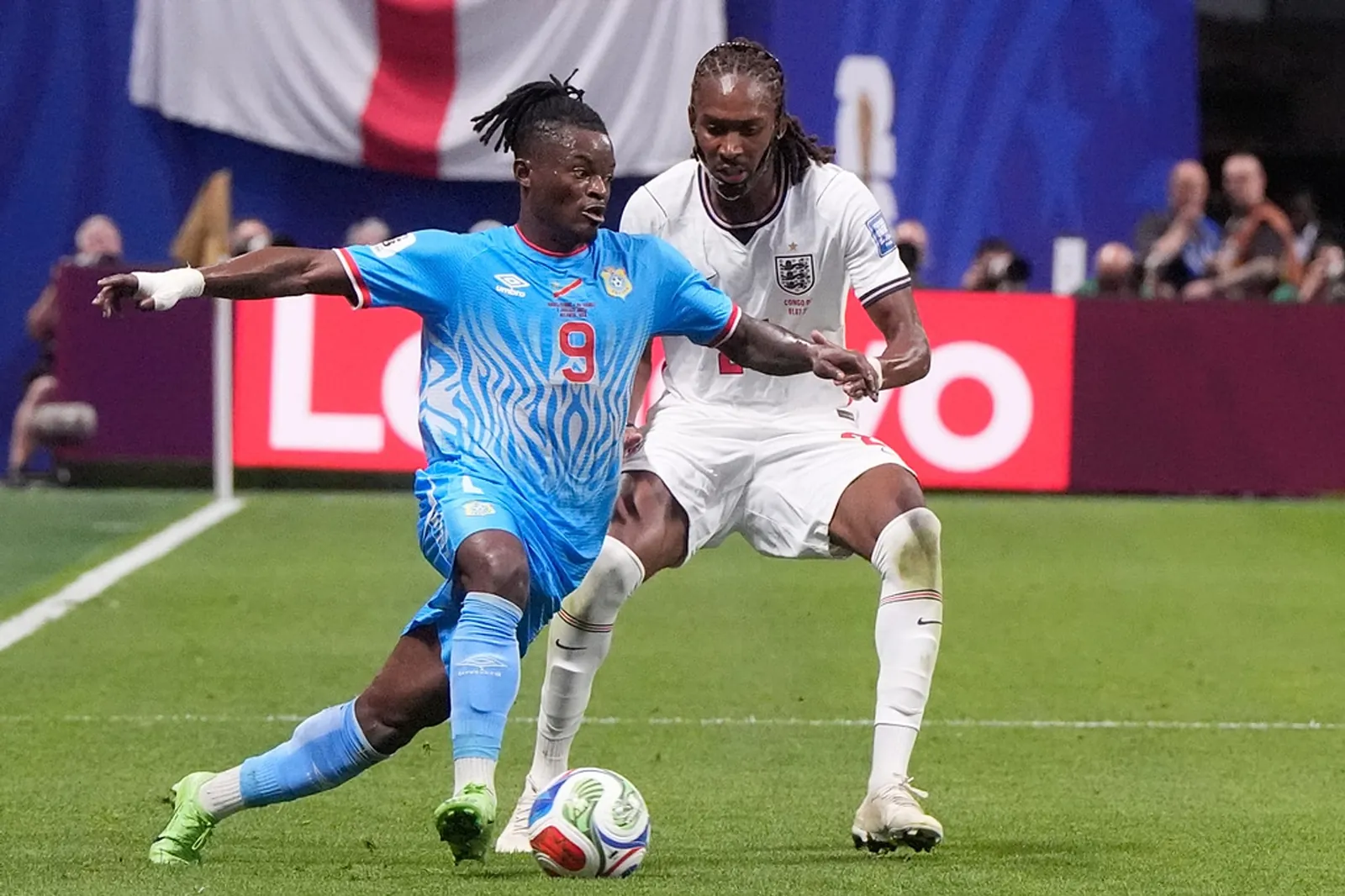
The DRC had 16 shots compared to England’s seven, enjoyed 60 per cent possession, and completed 493 passes against England’s 346. Goalkeeper Lionel Mpasi made several saves, denying Jude Bellingham on three occasions. Yoane Wissa also had a chance to double the lead, hitting the post in the first half.
Late game management issues
Perhaps the most significant defeat for an African team was Senegal’s 3-2 extra-time loss to Belgium. Senegal had held a 2-0 lead until the 85th minute. Habib Diarra scored in the 23rd minute, and Ismaila Sarr doubled the lead 30 minutes later. However, Romelu Lukaku scored in the 86th minute, and Youri Tielemans equalised in the 89th minute.
The match went into extra time, where Belgium was awarded a penalty in the 120th minute. Tielemans converted the spot-kick, completing Belgium’s comeback. Senegal’s players protested the penalty decision, but it stood. Defender Krépin Diatta acknowledged that Senegal failed in their mission, stating, “We have to accept that we failed at our mission.”
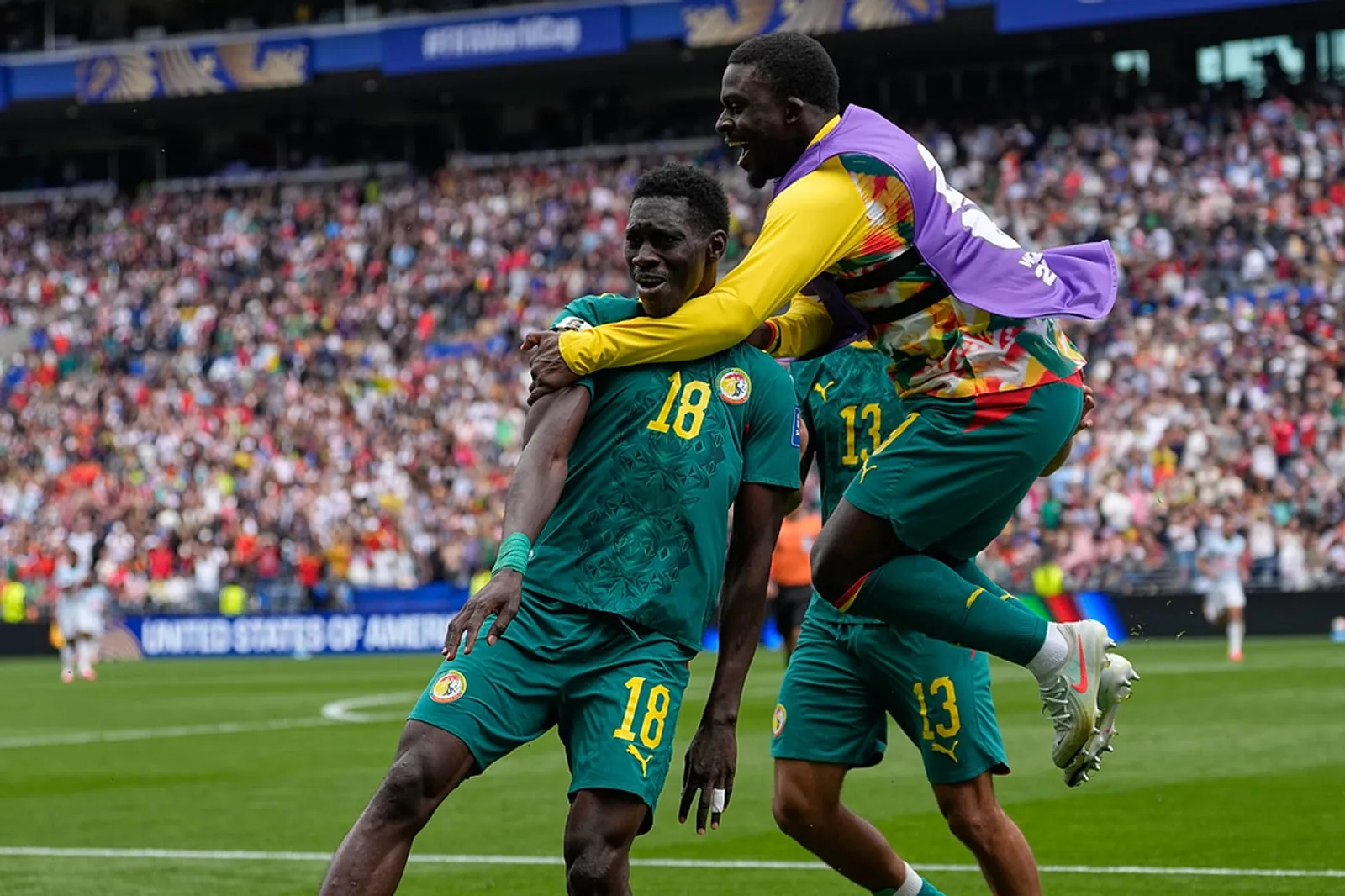
Some fans and pundits have cited poor refereeing as a factor in the late eliminations of African teams. However, lapses in concentration and shortcomings in late-game management have also been identified as recurring weaknesses. One fan commented on the Senegal match, saying, “No need to blame the ref. They were leading 2-0 for 85 minutes and let it slip. Only themselves to blame.”
Another fan noted, “Senegal was better throughout the entire match. But those last five minutes, it’s like they stopped defending.” Midfielder Habib Diarra also expressed disappointment, stating, “We had a good first half, but it wasn’t enough. A match lasts 90 minutes, and we’re devastated.”
Addressing tactical deficiencies
While discussions about refereeing decisions continue, the repeated inability of African teams to close out matches after dominating play has become a significant concern. This pattern suggests a tactical deficiency rather than a lack of talent among the teams.
Morocco is the only African team among the five mentioned that has advanced to the Round of 16, securing their spot with a penalty shootout victory against the Netherlands on Monday. The other four teams failed to advance despite outplaying their opponents for much of their matches.
With only six spots remaining to be filled in the Round of 16, improving concentration, game management, and defensive discipline in the closing stages of matches may be crucial for the continent’s remaining representatives to progress further in the tournament.
Read Also
Source: the-star.co.ke
